category: Invited Perspectives

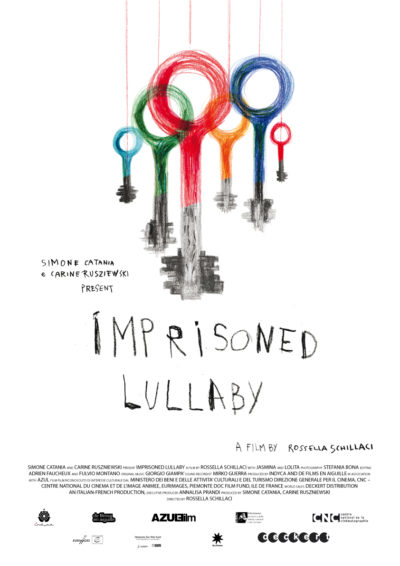
11.Raccontare una maternità diversa

by Rosella Schillaci

In this article, Schillaci writes about the making of the documentary film Ninna nanna prigioniera (2016), filmed inside a special block within Turin, Italy’s jail, where convicted mothers can choose to have their children living with them in a cell until they are three years old. The filmmaker retraces the various stages of the project, from conception to pre-production and filming. She describes research questions, themes at the heart of the film’s story,
Read more Download pdf

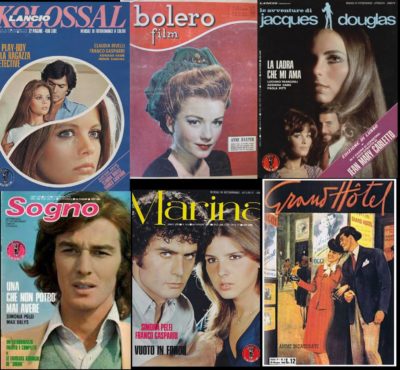
12.Fare Fotoromanzi: Un’intervista con Francesca Giombini

by Paola Bonifazio and Francesca Giombini

Also known as fotoromanzi (in Italian), roman-photos (in French), and fotonovelas (in Spanish), “photoromances” are illustrated stories composed of photographs and written texts (captions and balloons) and published serially in magazines. Born in Italy in 1947 and then exported all over the world, selling millions of copies per week,photoromances are demeaned and chastised in public opinion, and rarely studied by scholars,

Read more Download pdf

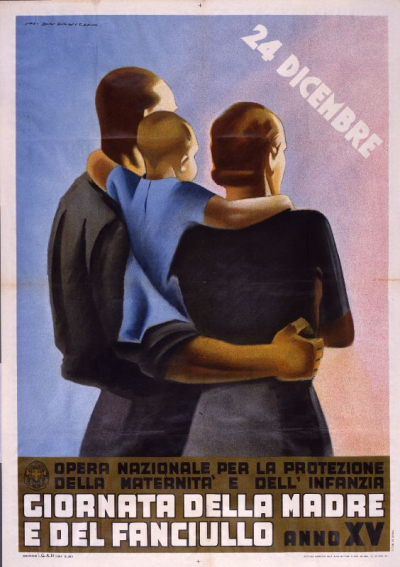
10. La fertilità è un bene comune? Il “Fertility Day” in una prospettiva storica

The polemics that accompanied the launch of Fertility Day by the Italian Ministry of Health in 2016 call for a historical reflection on the nexus between health policies, demographic questions, and gender roles that characterize the Italian public debate on the theme of reproduction. In the first half of the twentieth century, interest in the new key term ‘eugenics’ revealed itself in function of the definition of its own role in new national institutions on the part of intellectuals from a medical/scientific background.

Read more Download pdf

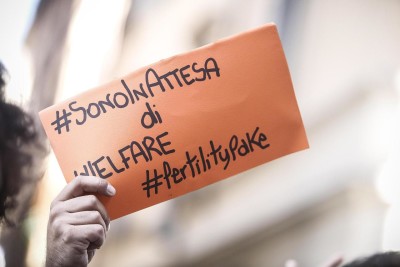
11. #FertilityDay e #FertilityFake. Una campagna di comunicazione pubblica e i suoi esiti inattesi

This article represents the first output of research on the communication campaign for “Fertility Day” that was launched by the Italian Ministry of Health in 2016. In front of a theme considered “sensitive” like that of couples fertility, discursive strategies, thematic frames, and the informative material distributed by the Ministry were at the center of an articulated dispute by audiences connected via social media and through creative-performative piazza protest by activist groups. The two forms of mobilization give rise to a response that can be read overall in terms of a true “counter campaign.” The areas of research reguarded the dimensions of public comunication,

Read more Download pdf

12. New Challenges for Human Reproduction: “Cross-Border Reproductive Care” and “Social Egg Freezing”

This article investigates the practices of ART (Assisted Reproductive Technology) through a sociological approach, with an eye to the political and legal issues relating to the process of the medicalization of human reproduction. It focuses on the most recent challenges in this field: “cross-border reproductive care” and “social egg freezing”. These two issues are analysed by looking at both the European and the Italian context, highlighting differences, contradictions and inequalities with regard to legal frameworks,

Read more Download pdf

13.Tutto parte da me: Alina Marazzi, regista. Videosaggio.

Tutto parte da me: Alina Marazzi. Videosaggio.

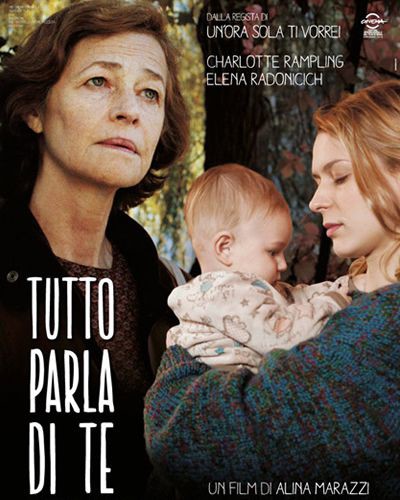
This is a video-essay that Marini-Maio created from her interview with acclaimed filmmaker Alina Marazzi in New York City on March 17, 2018. The interview is presented in alternate editing with clips from Marazzi’s experimental non-fiction films Un’ora sola ti vorrei and Vogliamo anche le rose, and her stylistically hybrid theatrical feature Tutto parla di te. The goal of the video-essay is to unpack,

Read more Download pdf

14. “Dolorosa Mater” e “RiGenerazione.” Due video performance sulla forza generativa e curatrice del femminino

This article summarizes the artist’s poetics and her relationship with the themes of maternity and reproduction, in building feminine characters that she has interpreted in video-art projects and performances. In particular, Lolli presents here two of her works, Ri-Generazione (2017) and Mater Dolorosa (2017). Since the visual component is fundamental in her work, in order to further sketch Lolli’s own artistic path, photographs and video excerpts of her performances are included in this article.

Read more Download pdf
no post image

Gender/sexuality/Italy 4 (2017) – Table of Contents

Table of Contents – Gender/sexuality/Italy, 4 (2017)

Nicoletta Marini-Maio, Journal Editor
Paola Bonifazio and Nicoletta Marini-Maio, Themed Section and Invited Perspectives Editors
Ellen Nerenberg, Open Contributions and Continuing Discussions Editor
Clarissa Clò and Laura Di Bianco, Reviews Editors
Erica Moretti, Managing Editor
Amanda Bush, Thera Dal Prà Iversen, Delphine Dall’Agata, Brian DeGrazia, Victor Xavier Zarour Zarzar

Themed Section: Girl Cultures in Italy from Early Modern to Late Capitalism.

Read more Download pdf

Girl Cultures in Italy from Early Modern to Late Capitalism. Journal Editorial

by Paola Bonifazio, Nicoletta Marini-Maio, and Ellen Nerenberg

The editorial includes the Editors’ introductions to their respective areas: Paola Bonifazio and Nicoletta Marini-Maio discuss the Themed Section and the Invited Perspectives; Ellen Nerenberg presents the Open Contributions and the new section, Continuing Discussions, which hosts informed voices on themes developed in previous issues of g/s/i.

DOI: https://doi.org/10.15781/cj1b-3j07

Read more Download pdf

6. ‘Come fossi una bambola?’ Girlhood Studies and Memory in Italy

by Danielle Hipkins

This brief, reflective piece considers the function and nature of the memory of girlhood culture, and how that signifies in relation to narratives of the self, in the context of broader discursive constructions of girlhood.

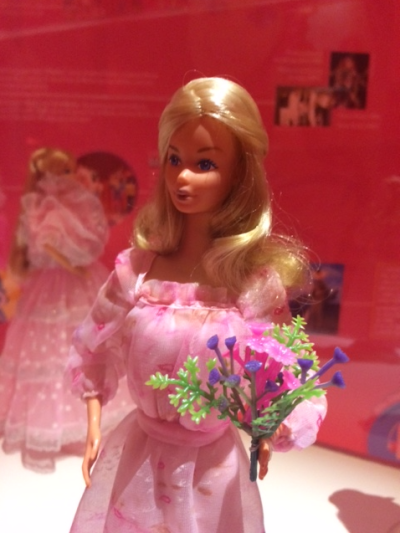
Cover picture:  Barbie – The Icon Exhibition at Complesso del Vittoriano, May 2016. Courtesy of Danielle Hipkins.

DOI: https://doi.org/10.15781/f7x8-7g97

Read more Download pdf