26. Call Me By Your Name
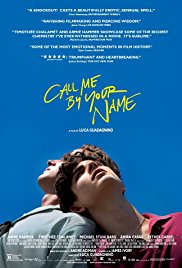
Film Review: Call Me By Your Name by Luca Guadagnino
By Áine O’Healy
DOI: https://doi.org/10.15781/eaq2-wd36

gender/sexuality/italy is an online annual, peer-reviewed journal that publishes research on gendered identities and the ways they intersect with and produce Italian politics, culture, and society.
Film Review: Call Me By Your Name by Luca Guadagnino
By Áine O’Healy
DOI: https://doi.org/10.15781/eaq2-wd36
Film Review: Cuori Puri by Roberto De Paolis
By Alberto Zambenedetti
DOI: https://doi.org/10.15781/cy9k-me23
Film Review: Una famiglia by Sebastiano Riso
By Stefania Benini
DOI: https://doi.org/10.15781/q5bf-fr96
Film Review: Ferrante Fever by Giacomo Durzi
By Nicoletta Marini-Maio
DOI: https://doi.org/10.15781/s6aw-0315
Film Review: Femminismo! by Paola Columba
By Lucia Cardone
DOI: https://doi.org/10.15781/76c0-e209
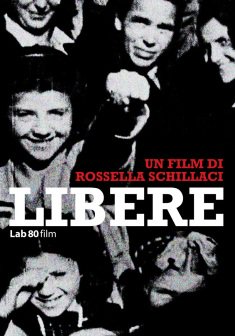
Film Review: Libere by Rossella Schillaci
By Alberto Fabris
DOI: https://doi.org/10.15781/2p3x-mc12
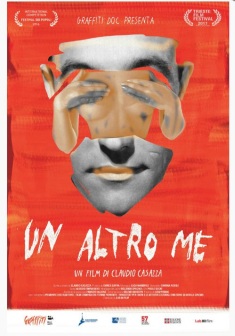
Film Review: Un altro me by Claudio Casazza
By Ombretta Frau
DOI: https://doi.org/10.15781/r8sv-pp37
Table of Contents – Gender/sexuality/Italy, 4 (2017)
Nicoletta Marini-Maio, Journal Editor
Paola Bonifazio and Nicoletta Marini-Maio, Themed Section and Invited Perspectives Editors
Ellen Nerenberg, Open Contributions and Continuing Discussions Editor
Clarissa Clò and Laura Di Bianco, Reviews Editors
Erica Moretti, Managing Editor
Amanda Bush, Thera Dal Prà Iversen, Delphine Dall’Agata, Brian DeGrazia, Victor Xavier Zarour Zarzar
Themed Section: Girl Cultures in Italy from Early Modern to Late Capitalism.
by Paola Bonifazio, Nicoletta Marini-Maio, and Ellen Nerenberg
The editorial includes the Editors’ introductions to their respective areas: Paola Bonifazio and Nicoletta Marini-Maio discuss the Themed Section and the Invited Perspectives; Ellen Nerenberg presents the Open Contributions and the new section, Continuing Discussions, which hosts informed voices on themes developed in previous issues of g/s/i.
DOI: https://doi.org/10.15781/cj1b-3j07
by Sienna Hopkins
This article explores the divergent representations of girlhood in female commemorative biographies from the early 16th century and the spiritually exemplary biographies of secular women in the late 16th and early 17th centuries. While the commemorative biographies of Battista Sforza, Bianca Maria Sforza and Irene di Spilimbergo follow the traditional tropes of childhood representation for the genre, they nonetheless embody a fuller representation and acceptance of girlhood than that of the later,