
by Andrea Raso
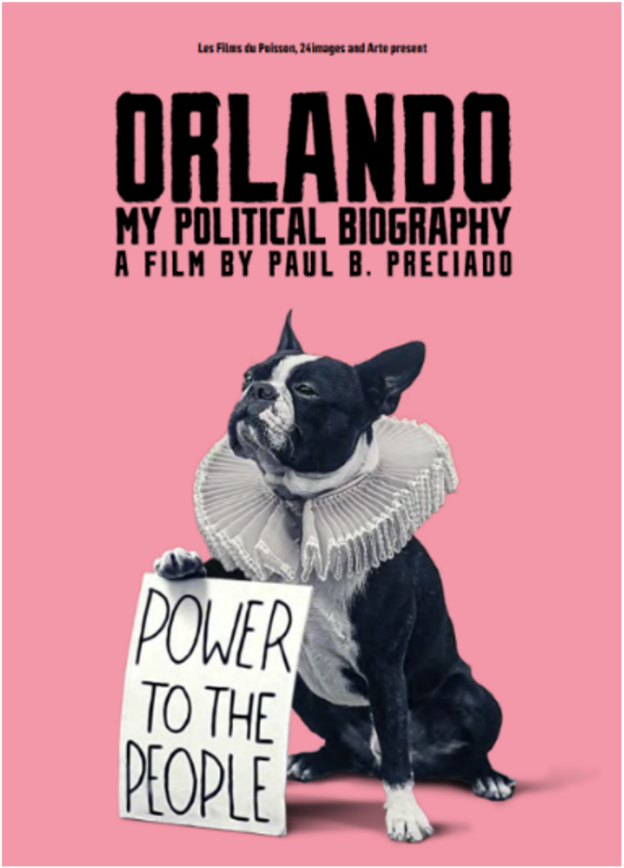
This article examines the positive influence that Paul Beatriz Preciado’s non-binary interpretation of Virginia Woolf’s oeuvre may have on Woolf studies in Italy, particularly when compared to readings developed by scholars aligned with the philosophy of sexual difference. By placing Woolf in dialogue with queer, trans, and non-binary discourses, Preciado expands the modernist writer’s legacy, reframing works such as Orlando (1928) as material-semiotic sites of ontopolitical and ethical inquiry. Moreover, through his docufilm Orlando: My Political Biography, Preciado directly confronts the broader challenges of translating Woolf’s experimental critique of identity into contemporary struggles for recognition and agency. Engaging critically with traditions that have often grounded Woolf’s poetics in biological essentialism, the article traces how Preciado’s approach redirects attention toward a more intersectional understanding of gender in Woolf’s language and characterization. This paradigmatic shift underscores the tensions between historicizing Woolf’s body of work and approaching it as a transdiscursive microtext that evolves alongside the cultural and political landscapes shaping its critique. Ultimately, this study calls for a Woolf scholarship freed from the constraints of binary epistemic violence, and open to contradiction and multiplicity—one that frames the author’s legacy not as a fixed narrative, but as an ongoing, transnational dialogue attuned to the philosophical and existential demands of the present.